Ten years ago, the word cinematography did not appear in wedding pricing pages. Now it appears on almost all of them. Couples are right to wonder whether this is real - whether cinematography describes a different craft, or whether it is just a marketing word for the same service at a higher price.
The honest answer: it can be either, and the only way to tell is to watch the work. The word on the page tells you nothing. The films tell you everything.
When the difference is real, it is about intention. Wedding videography, at its most literal, is documentation. It points a camera at what happens and preserves it. The goal is completeness - the speeches, the first dance, the cake cut. This is legitimate and often the right choice for couples who want a record of the day.
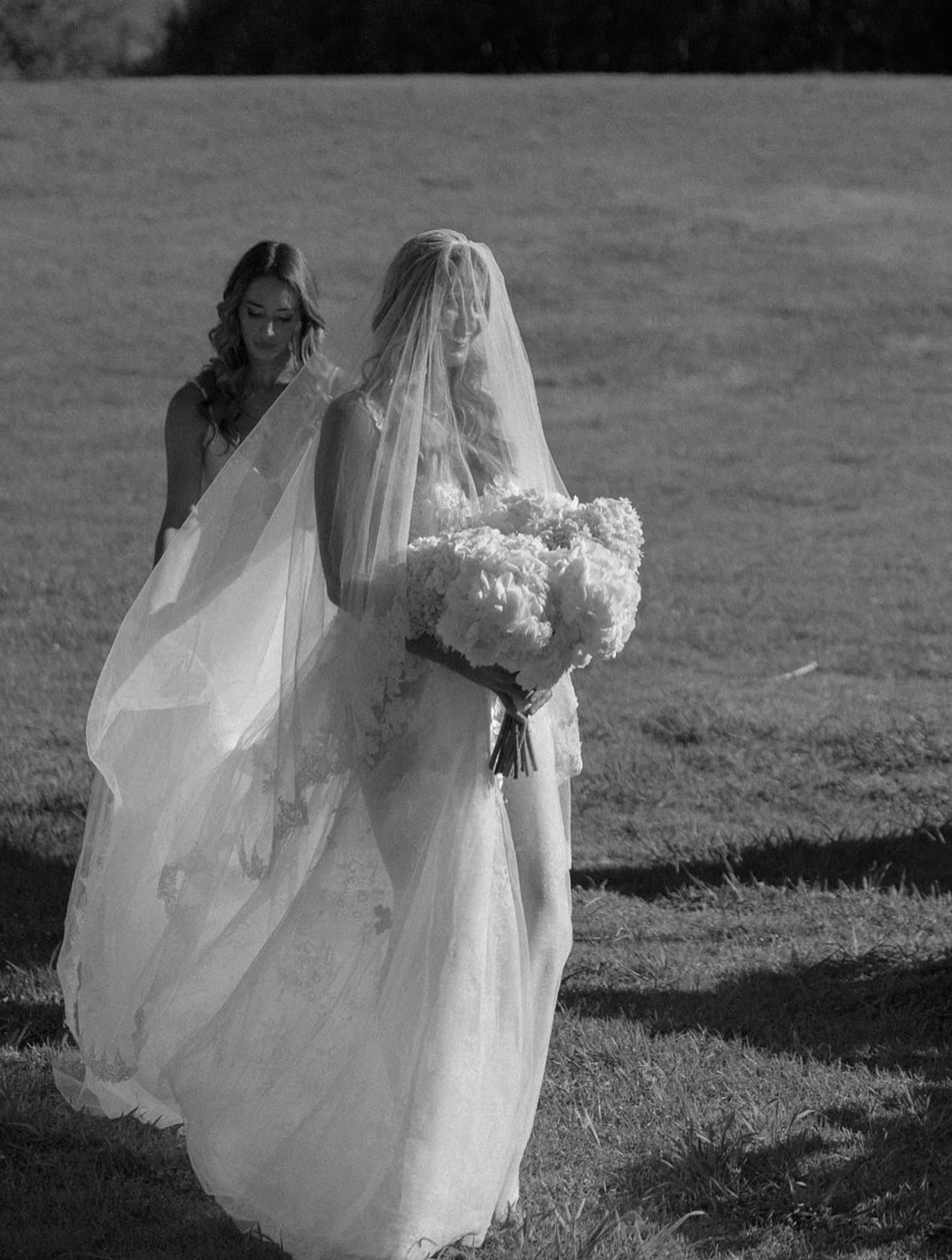
Wedding cinematography, when the word is used seriously, describes a different goal. The goal is not a record - it is a film. The filmmaker approaches the day the way a director approaches a location shoot. There is attention to composition, to colour, to sound design, to editorial pacing. The final deliverable is not the wedding day in order. It is a curated, emotionally resonant work that feels like a film because it was made like one.
What does this actually mean in practice? It means prime lenses over zooms for most of the day. It means a dedicated audio engineer, or at least a filmmaker who treats audio as non-negotiable. It means post-production measured in weeks, not days, because colour grading and sound design cannot be rushed. It means a film that looks and sounds, frame for frame, like something you would see in a cinema - because that is the reference.
The frustrating part is that some studios use the word cinematography for work that is still fundamentally documentation. This is not a character flaw - it is a marketing reality. The only defence is to watch full films, listen carefully to the sound, and trust what you see. If it looks like television and sounds like television, it is. If it feels like a film you could not look away from, it is that instead.