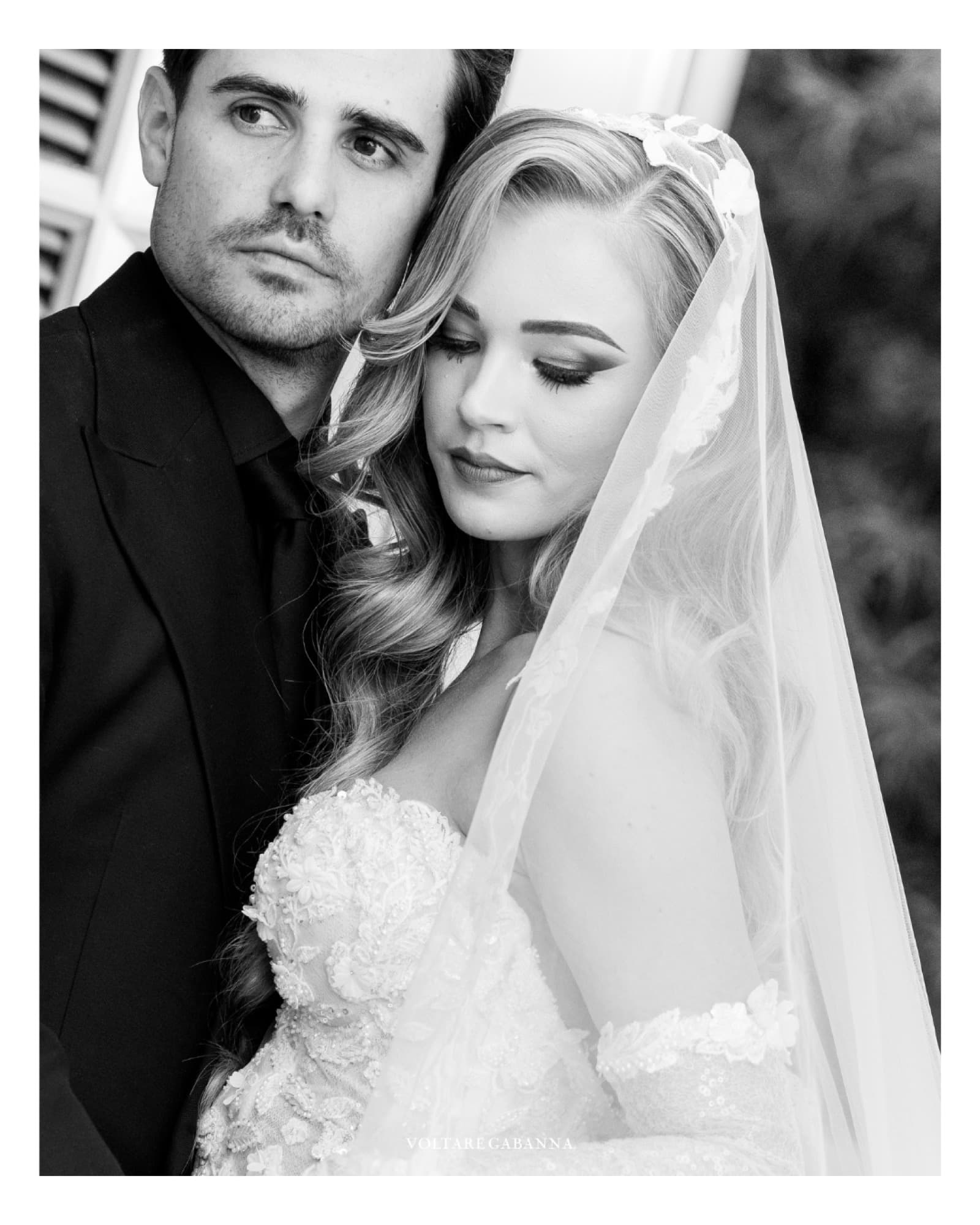
Couples often ask us what they can do to get a better wedding film. The honest answer is not about the camera or the edit. It is about the timeline. The best wedding films we have ever made were made on days with generous, honest timelines - and the worst days almost always had a schedule that collapsed by noon.
Here is what a film-friendly timeline actually looks like. Start with ceremony time and work backwards. Allow ninety minutes for bridal preparation footage, not thirty. Allow a real first look, not a rushed one squeezed between two other things. Allow thirty to forty-five minutes for portraits at golden hour - not fifteen, not ten minutes between speeches and the cake.
The single greatest gift a couple can give their wedding film is twenty minutes alone, together, on the venue grounds, after the ceremony and before the reception starts. Not posing. Not directing. Just walking, sitting, breathing. This is the footage couples rewatch the most. It is also the footage that gets cut first when the timeline is tight.
Do not schedule back-to-back events without breathing room. Build in fifteen minutes between preparation and the ceremony. Build in thirty minutes between the ceremony and cocktail hour. Build in a pause between dinner and the first dance. The pauses are not wasted time - they are where the wedding film finds its moments.
Talk to your videographer about the timeline before your wedding planner locks it in. Good filmmakers do not need control over the day, but they do need enough oxygen in it to work. If your planner pushes back on a thirty-minute portrait window, that is a conversation worth having now, not on the day.
A wedding film is made in the small, quiet windows of a well-planned day. Give it those windows and it will give you something extraordinary in return.