Italy is the most filmed destination in luxury weddings for a reason. It offers what no studio can replicate: the golden light of late afternoon spilling across Tuscan hills, the morning mist lifting off Lake Como, the pale stone of the Amalfi cliffs catching evening sun. The country does half the work before a camera is even lifted.
But there is a difference between filming in Italy and filming an Italian wedding well. The logistics are not trivial. Venues are often old - fifteenth-century villas with narrow stone staircases, courtyards designed for horses, chapels with twelve rows of pews. A film crew has to move through these spaces without disturbing the quiet of them.
What to expect from a proper Italian wedding film starts at scouting. We arrive the day before. We walk the property at the same hour the ceremony will happen. We note where the light falls, where the noise carries, where the guests will gather for aperitivo as the evening starts. None of this ends up on camera. All of it ends up in the film.
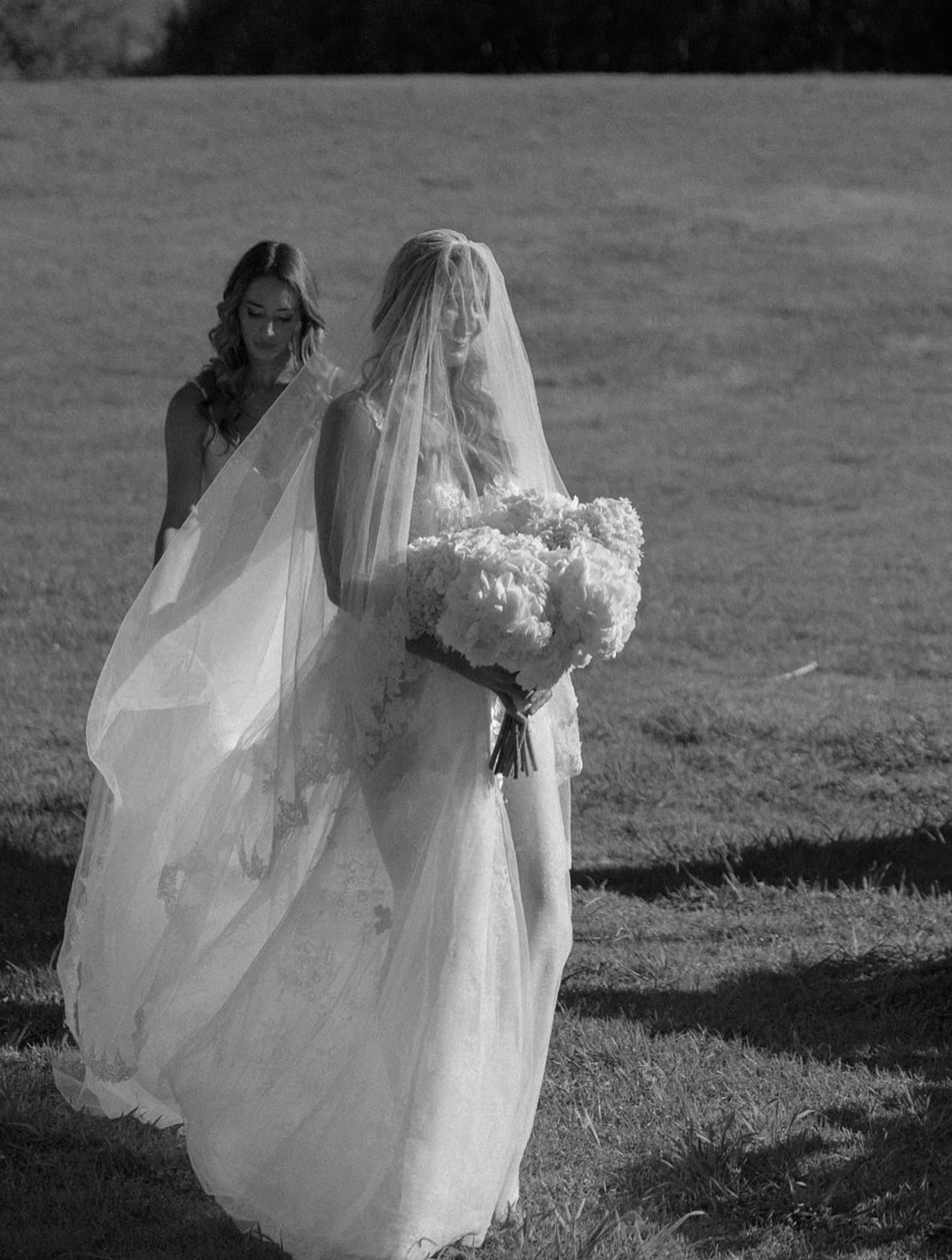
The ceremony itself is usually outdoor - a cypress-lined driveway, an olive grove, a terrace overlooking Lake Como. Italy's afternoon sun is generous but unforgiving if you are not ready for it. We film with lenses that render skin beautifully in high contrast and bring second shooters for the moments the main camera would otherwise miss.
The reception is where Italian weddings reveal their soul. Long tables under strung lights, antipasti that arrive slowly and deliberately, toasts that go on longer than planned because the food and wine encourage them. The best wedding films made in Italy respect this pace. They do not cut quickly. They let the evening breathe, the way it actually does.
If you are planning a wedding in Italy, the most important decision you can make about your videographer is not where they are based but whether they have worked in Italy before. Italian wedding logistics punish the unprepared - the heat, the light, the vendor coordination, the hours. Hire someone who has stood in a Tuscan vineyard at five in the afternoon in August and knew exactly which camera to reach for. That knowledge is earned, not read.